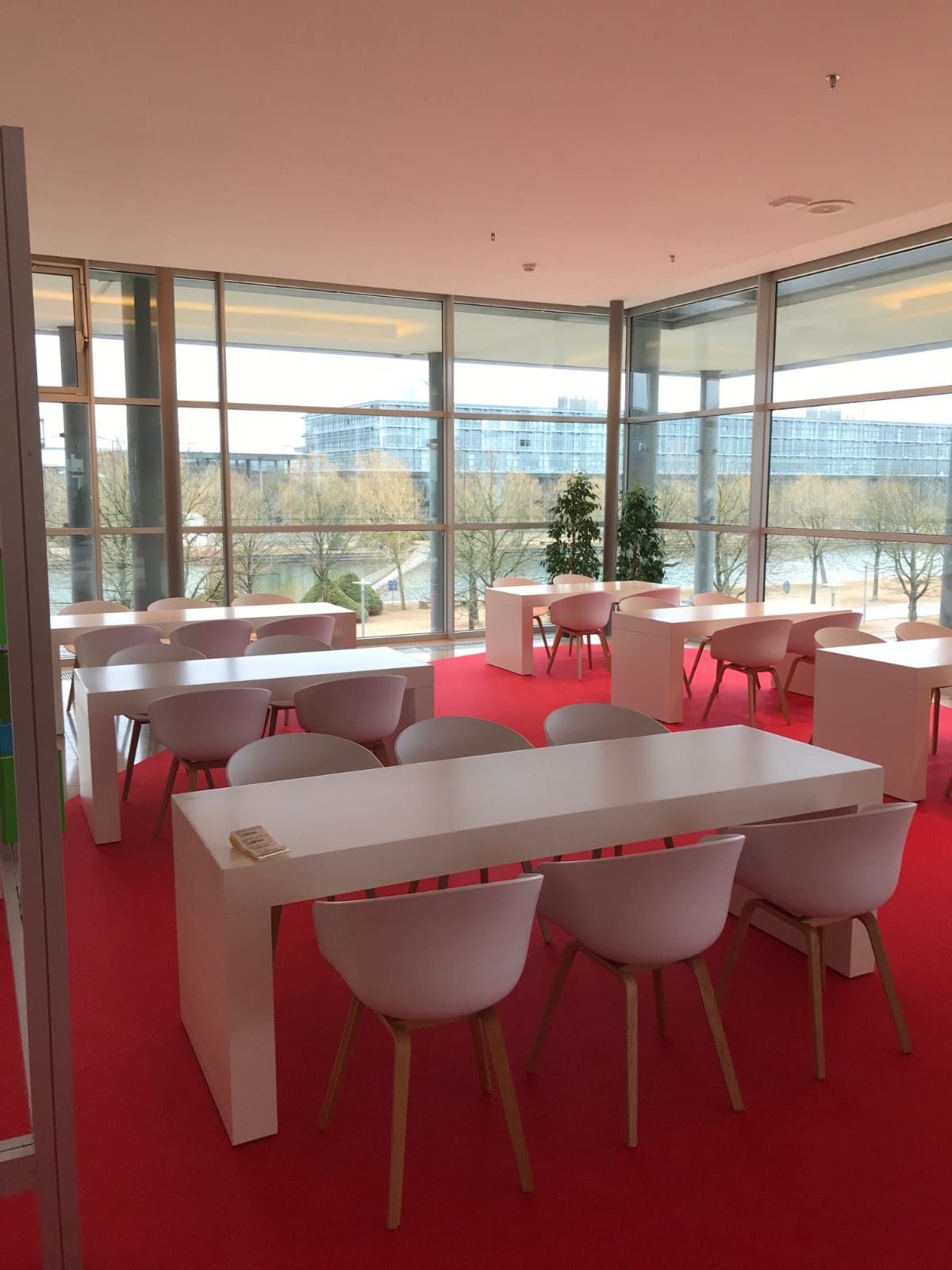
A conference can lose momentum long before the first keynote begins. A hard-to-reach venue, an unclear arrival process, an undersized networking area, or technology that distracts from the speaker can all dilute the value of an otherwise strong business agenda. That is why conference planning services in Germany must do more than coordinate suppliers. They must turn a business objective into an experience people remember, discuss, and act on.
For international companies, associations, and ambitious German brands, Germany offers exceptional opportunities: influential trade fairs, well-connected cities, distinctive venues, and audiences that expect substance. It also presents practical complexity. Regional regulations, venue requirements, transportation patterns, supplier coordination, and multilingual guest communication all deserve careful attention. The right local partner brings clarity to those moving parts while protecting the character of the brand.
A professional conference begins with a strategic question: what should change because this audience was in the room? The answer may be stronger customer relationships, a product launch, leadership alignment, talent engagement, knowledge exchange, or qualified business conversations. Format, location, program, design, and hospitality should all support that outcome.
This is where planning becomes more than scheduling. A one-day sales conference needs a different rhythm from a three-day international congress. A leadership summit may require discretion and a setting designed for honest exchange. A customer forum needs visible brand presence, comfortable meeting areas, and enough space for spontaneous conversations. The objective determines the experience, not the other way around.
Strong conference planning services typically unite concept development, venue sourcing, budget control, technical production, stage and room design, catering, guest management, staffing, transportation, and detailed run-of-show planning. When these workstreams are centrally managed, decisions become faster and the event feels coherent rather than assembled from disconnected elements.
The value is especially clear when plans change. A delayed flight, a revised speaker lineup, a shift in attendee numbers, or a last-minute compliance request should not become a crisis for the client team. It should be absorbed by a prepared production structure with clear responsibilities, realistic contingencies, and experienced on-site leadership.
Choosing Germany as a destination is only the first decision. Munich, Berlin, Stuttgart, and Frankfurt each create a different setting for a conference, and the best choice depends on audience, industry, access, and brand character.
Munich suits formats that benefit from premium hospitality, international accessibility, and a polished corporate environment. It is particularly compelling for technology, automotive, finance, luxury, and life sciences audiences. Berlin brings creative energy, cultural range, and unconventional spaces that can give innovation forums or brand conferences a more progressive feel. Stuttgart offers proximity to major industrial and engineering sectors, while Frankfurt is a strategic choice for international business travel, finance, and large-scale connectivity.
Yet city selection should never rely on reputation alone. A venue that looks impressive in photographs may create difficult guest flow, limited branding options, or costly production constraints. Conversely, a less obvious location may offer stronger privacy, better loading access, more flexible room layouts, and a more distinctive guest experience. Site inspections, local knowledge, and early technical conversations make the difference.
For a conference connected to a major trade fair, timing matters just as much as location. Hotel availability, freight access, traffic, staffing, and supplier capacity can change significantly during major industry events. Planning early protects both budget and choice.
Attendees do not experience a conference as a spreadsheet. They experience it as a sequence of moments: the invitation, registration, arrival, welcome, first coffee, opening atmosphere, clarity of content, quality of conversations, and the ease of departure. Each touchpoint communicates something about the host organization.
A well-designed guest journey balances energy and comfort. Registration should feel welcoming rather than administrative. Signage should be intuitive enough that guests do not need to ask where to go. Session transitions need enough time for people to move, refresh, and connect without losing the pace of the day. Networking areas should invite conversation rather than merely provide standing tables.
This is also where elegance has operational value. Thoughtful furniture, lighting, florals, staging, and brand integration can make an event feel considered without becoming decorative excess. The most effective environments support the purpose of the room. A panel discussion requires sightlines and acoustic clarity. A networking reception requires zones that allow both open exchange and quieter business conversations. A product presentation needs focus, anticipation, and a visual language that reflects the brand.
For international audiences, cultural awareness is part of hospitality. Clear English-language communication, familiar payment and transportation guidance, dietary options, accessible spaces, and attentive hosts help guests feel confident from arrival onward. These details are rarely the headline, but they strongly influence how professional the event feels.
Creative conference concepts are only as strong as their execution. A dramatic opening, immersive content moment, or unexpected networking format needs disciplined technical planning behind it. Load-in schedules, power distribution, safety requirements, speaker rehearsals, cue sheets, room resets, and supplier coordination are not glamorous tasks, but they allow the creative idea to land with confidence.
The right balance depends on the event. Not every conference needs a large scenic build or elaborate show production. For a focused executive gathering, an exceptional venue, refined hospitality, strong moderation, and discreet service may create more impact than spectacle. For a flagship brand conference, however, a custom stage environment, dynamic media, and a highly choreographed opening can make the strategic message tangible.
Budget should follow priorities. Spending heavily on visual production while underfunding attendee flow, staffing, or content support can create an uneven experience. A transparent planning process identifies where investment drives measurable value and where a more efficient solution is appropriate. This is particularly important for organizations managing budgets from $1,000 for focused business formats to more than $100,000 for large-scale conferences and integrated event environments.
Sustainable conferences are not defined by a single material choice or a last-minute promise to offset emissions. They are shaped by practical decisions made from the beginning: selecting a location with sensible travel access, designing reusable event elements, avoiding unnecessary printed materials, sourcing responsibly, planning realistic catering quantities, and managing waste with local partners.
There are trade-offs. A fully custom environment may deliver a powerful brand statement, but it should be designed for reuse, modularity, or responsible material recovery wherever possible. Local sourcing can reduce transport while also giving the event a more authentic connection to its destination. Digital tools can reduce print, although they should never make essential information harder for guests to access.
Sustainability also includes longevity. If participants leave with useful ideas, stronger relationships, and a clearer understanding of the host brand, the conference creates value beyond its physical footprint. That is a more meaningful standard than visual gestures alone.
Conference planning in Germany often involves multiple stakeholders: global headquarters, local marketing teams, executives, exhibitors, venue contacts, speakers, and production suppliers. Without a central lead, small gaps become expensive friction. One team may assume another is managing registration data, speaker travel, catering counts, or technical approvals. The guest only sees the result.
A capable event partner provides one point of responsibility while bringing the right specialists into the project. That includes strategic concept work and detailed operational control, but also the confidence to challenge an idea when it does not serve the audience, budget, or timeline. Premium service is not agreeing to every request. It is protecting the quality of the final experience.
WE ARE POV supports companies and international brands with individually developed conference, event, and trade fair solutions across Germany, the DACH region, Europe, and beyond. The approach combines creative staging with precise planning, event and exhibition infrastructure, local destination expertise, and sustainable thinking.
The most memorable conference is rarely the loudest one. It is the one where every decision feels intentional, every guest knows they are expected, and every conversation has room to become the next business opportunity.
Schicken Sie uns Termin, Ort und die erwartete Gästezahl – Sie bekommen eine Aufstellung mit Mengen und Preisen je Bereich zurück, aus der sich direkt bestellen lässt.
Anfrage starten
