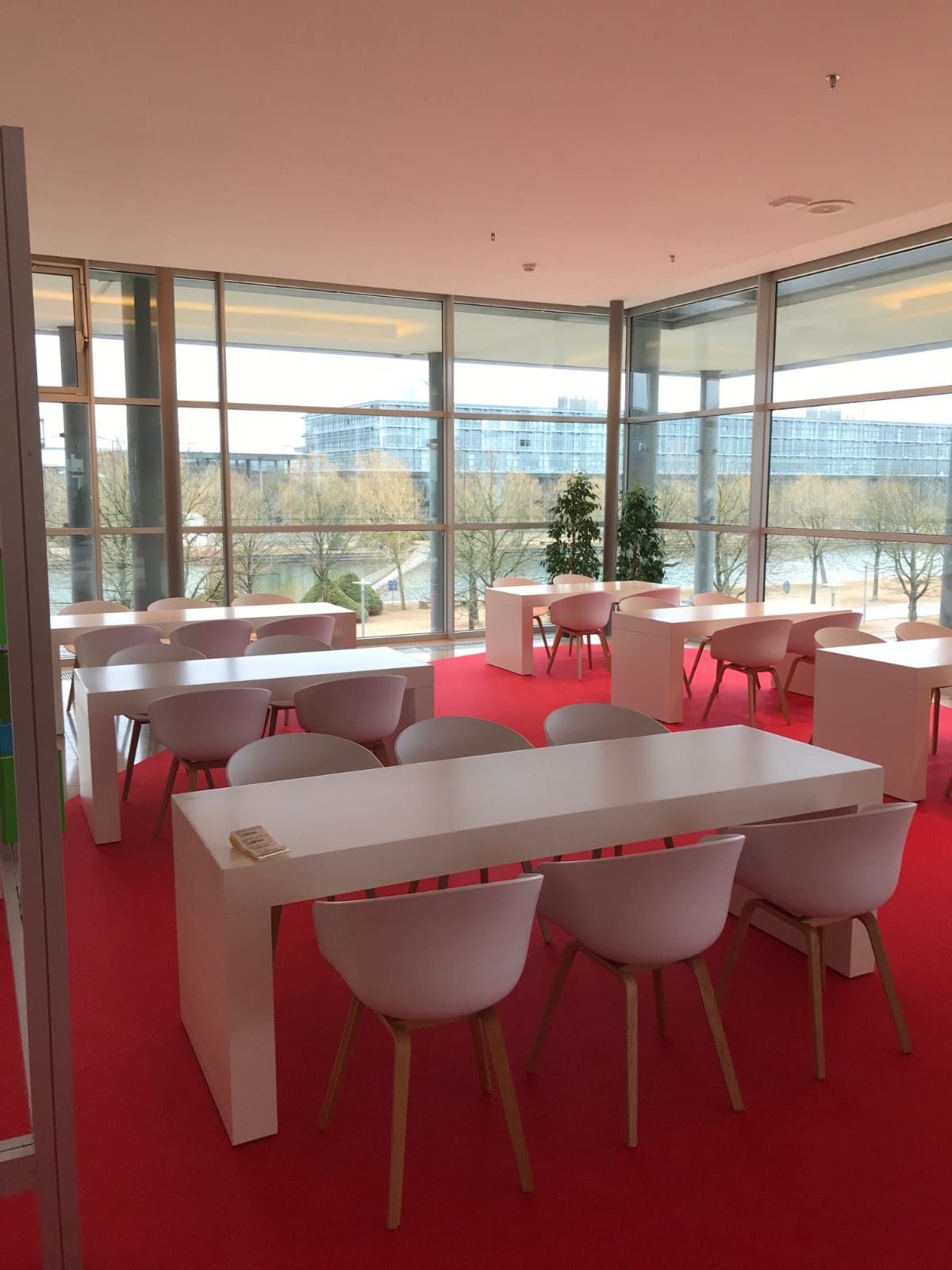
A product launch can lose momentum before the keynote begins if guests spend 20 minutes finding the entrance, checking into rooms, or moving between disconnected spaces. That is why the choice between a conference hotel versus event venue is more than a question of square footage. It shapes arrival, attention, networking, production quality, budget discipline, and ultimately how people remember your brand.
For a leadership summit, sales conference, gala, exhibition, or international business meeting, neither option is automatically superior. The right setting depends on the role the event needs to play. Is the priority efficient multi-day collaboration? A powerful brand statement? A high-touch guest experience? Or a carefully balanced combination of all three?
A conference hotel is designed around convenience. Meeting rooms, guest rooms, catering, technical infrastructure, and often parking or public transportation access sit within one operational system. For delegates traveling from several regions or countries, this concentration reduces friction. The guest journey is clear: arrive, check in, attend, dine, connect, and rest without needing a transfer between every program element.
An event venue is usually chosen for its character, flexibility, or distinctive location. It may be a former industrial hall, museum, rooftop, studio, theater, landmark building, or purpose-built event space. These locations can create immediate atmosphere and give a brand more room to stage an idea rather than simply host a meeting.
The distinction matters because a hotel sells a complete hospitality environment, while an event venue often provides a spatial canvas. One tends to simplify operations. The other can elevate originality and brand impact. The strongest decision begins by identifying which of those advantages matters most for the event at hand.
Hotels are particularly effective for conferences with a dense agenda and attendees who need accommodation. A two- or three-day executive meeting becomes easier to manage when breakfast, breakout sessions, plenary presentations, evening receptions, and overnight stays happen in one place. Time saved on transfers can be reinvested in content, informal conversations, and recovery between sessions.
This is especially relevant for international groups arriving in Munich, Berlin, Stuttgart, Frankfurt, or another major business destination. Guests unfamiliar with the city benefit from clear arrival instructions and a central point of contact. For organizers, a room block also creates more reliable visibility into attendance and travel timing.
Hotels can be a sound choice when the agenda requires several simultaneous breakouts. Their meeting floors are typically configured for this rhythm, with standard AV provisions, service corridors, storage, and experienced banquet teams. For training programs, association meetings, management offsites, and dealer conferences, that operational maturity can protect the schedule.
There are trade-offs. Hotel meeting rooms may feel interchangeable, particularly when they remain in their standard configuration. Ceiling height, load-in routes, branding permissions, lighting control, and rigging points can limit a more ambitious creative concept. Catering packages can also be structured less flexibly than a custom event team might prefer. A hotel is highly efficient, but efficiency alone does not always create distinction.
An independent venue can be the stronger choice when the setting is expected to carry part of the brand story. A mobility company presenting a future-facing concept in an industrial space, a luxury brand hosting a private dinner in a gallery, or a technology firm building an immersive product environment needs more than meeting-room functionality. The space becomes part of the message.
Event venues also offer greater freedom in design. Furniture, stages, exhibition elements, scenic construction, lighting, sound, digital content, florals, catering stations, and guest flow can be conceived as one coherent experience. Rather than adapting a program to a pre-existing ballroom, the environment is built around the purpose of the gathering.
That flexibility is valuable for galas, award ceremonies, brand activations, press events, trade show receptions, and high-level networking formats. It can also be the right answer for a conference that needs to feel unlike every previous conference. Guests may not remember the seating plan, but they will remember entering a room that expressed a clear idea with elegance and precision.
The operational responsibility is usually broader. Independent venues may require separate agreements for furniture, power, security, cleaning, catering, Wi-Fi, technical production, permits, loading access, and temporary structures. There may be tighter restrictions on setup times or noise. If accommodation is needed, transportation between hotel and venue must be designed carefully. These are manageable variables, but they demand detailed planning and strong local coordination.
The venue fee is only one part of the budget. A lower-priced raw space can become more expensive once production, furnishings, generators, heating or cooling, staffing, transport, and temporary infrastructure are included. Conversely, an all-inclusive hotel offer can appear attractive until branding upgrades, additional technical requirements, premium catering, or exclusive use of areas are added.
A meaningful comparison considers the complete guest journey. How does a guest arrive? Where do they leave a coat or luggage? Can registration handle peak arrivals? Is there a natural transition from conference content to networking? Where do speakers prepare? What happens if rain changes an outdoor plan? How easily can guests with mobility requirements access every part of the experience?
These questions reveal costs and opportunities that a basic room-capacity comparison misses. They also clarify where investment has the greatest effect. For some events, a refined welcome and excellent food create the most value. For others, the decisive factor is a stage environment that makes a new strategy or product feel credible, relevant, and exciting.
A hotel can support brand expression through signage, screens, staging, room dressing, and carefully designed touchpoints. Yet there are practical boundaries: other guests may be present, public areas may be shared, and permanent interiors remain visually dominant. If confidentiality or exclusivity is essential, confirm whether private entrances, dedicated elevators, restricted access zones, and complete buyouts are possible.
An event venue often enables greater control over sightlines, sound, lighting, scent, catering presentation, and the sequence of experiences. This makes it well suited to formats where emotion and visual storytelling matter. It also gives production teams more options for custom-built displays, dramatic reveals, modular networking areas, and sponsor integrations.
More creative freedom should not be mistaken for unlimited freedom. Historic buildings, urban venues, and unconventional sites can have strict fire regulations, preservation requirements, curfews, or load limits. A beautiful location only works when its operational realities are understood before the concept is finalized.
Neither hotels nor standalone venues are automatically the more sustainable choice. A hotel may reduce travel between lodging and programming, lower transportation emissions, and operate established food, waste, and energy systems. But sustainability claims should be assessed through concrete practices, not broad labels.
A venue can support a highly responsible event if it is close to public transportation, uses existing structures rather than extensive temporary builds, and works with regional suppliers. The challenge is avoiding disposable décor, unnecessary transport, oversized technical requirements, and catering volumes that create preventable waste.
The most effective approach is to build sustainability into the brief from the start. Choose reusable materials, design furniture and scenic elements for a second life, prioritize seasonal menus, calculate realistic attendance, and plan mobility for guests and suppliers. A well-considered event can feel generous and refined without relying on excess.
Start with the event's non-negotiables: number of attendees, accommodation needs, agenda structure, desired atmosphere, technical demands, accessibility, confidentiality, and budget range. Then define what guests should think, feel, or do differently after attending. This prevents the venue search from becoming a contest of attractive photos.
A conference hotel is generally the stronger option when overnight stays, efficient scheduling, multiple breakouts, and predictable service are central to success. An event venue is often more compelling when the occasion needs individuality, controlled brand staging, unusual architecture, or a setting that turns networking into a genuine experience.
Hybrid solutions can be particularly effective. Guests may stay at a conference hotel while the opening night, product reveal, or gala takes place at an external venue. This gives attendees operational comfort while reserving the most memorable moment for a space with greater character. The transfer then becomes part of the program, not an inconvenience, provided timing and guest handling are planned with care.
For complex projects, WE ARE POV approaches the choice as a strategic design decision, connecting local location knowledge with event production, furnishings, trade show expertise, and detailed run-of-show planning. The goal is not simply to fill a room. It is to create an environment in which business objectives, brand identity, and guest expectations reinforce each other.
The best venue is the one that makes every important moment feel intentional: the first welcome, the conversation after the keynote, the product encounter, the dinner, and the final departure. Choose the setting that gives those moments the space, structure, and character they deserve.
Schicken Sie uns Termin, Ort und die erwartete Gästezahl – Sie bekommen eine Aufstellung mit Mengen und Preisen je Bereich zurück, aus der sich direkt bestellen lässt.
Anfrage starten
